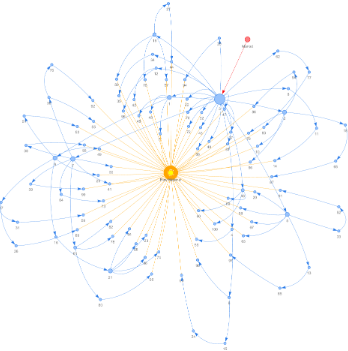
Modelling Viable Supply Networks with Cooperative Adaptive Financing
Proposes a decentralised financing mechanism to improve supply chain viability using cooperative adaptation.
Research
Seven peer-reviewed papers, three theses and five think-tank reports. Also on Google Scholar and ResearchGate.
Proposes a decentralised financing mechanism to improve supply chain viability using cooperative adaptation.
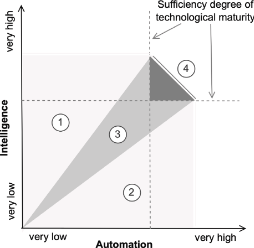
Establishes a foundational framework and autonomy levels for the transition toward fully autonomous supply chains.
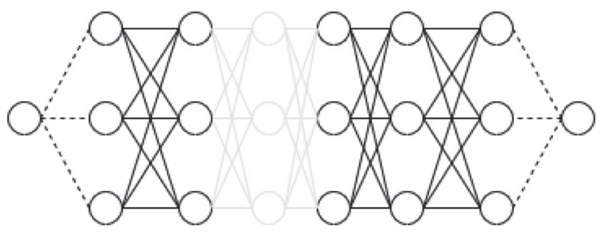
Investigates how financial distress propagates through complex supply networks using an agent-based approach.
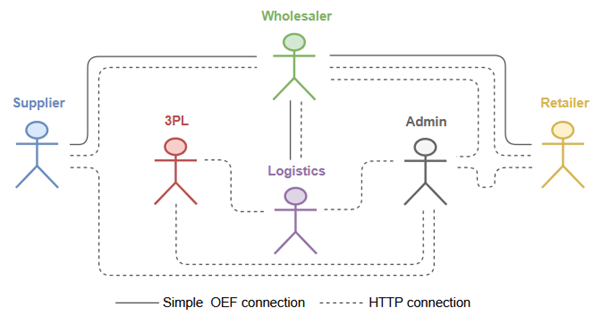
Details a multi-agent system architecture for creating digital twins of autonomous supply chains.
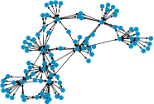
Explores decentralised methods for assessing node criticality in dynamic networks based on information value.
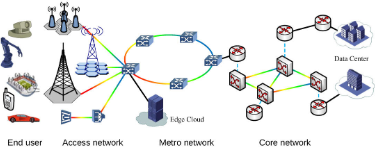
Applies Graph-Fourier transforms to detect anomalies in large-scale telecommunication traffic data.
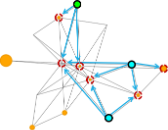
Introduces distributed algorithms for computing criticality metrics in evolving telecommunication infrastructures.

Doctoral research developing scalable control mechanisms for complex networks utilizing agents with limited local information.

Master's thesis examining fragmentation and spontaneous adaptation in network epidemic models.
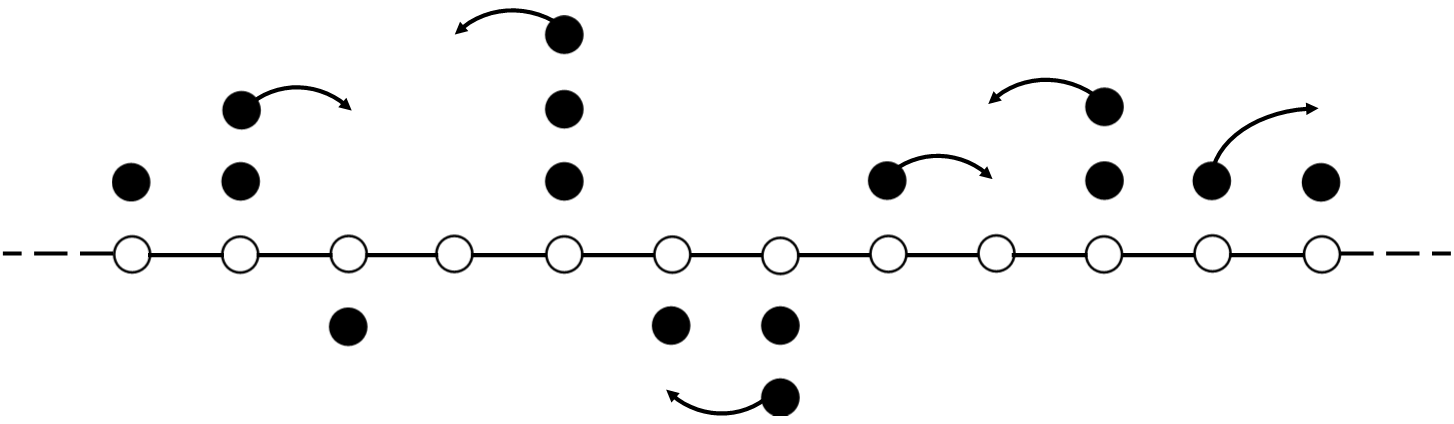
Bachelors's thesis studying the nonstationary behaviour of 3 state misanthropic interacting particle systems.
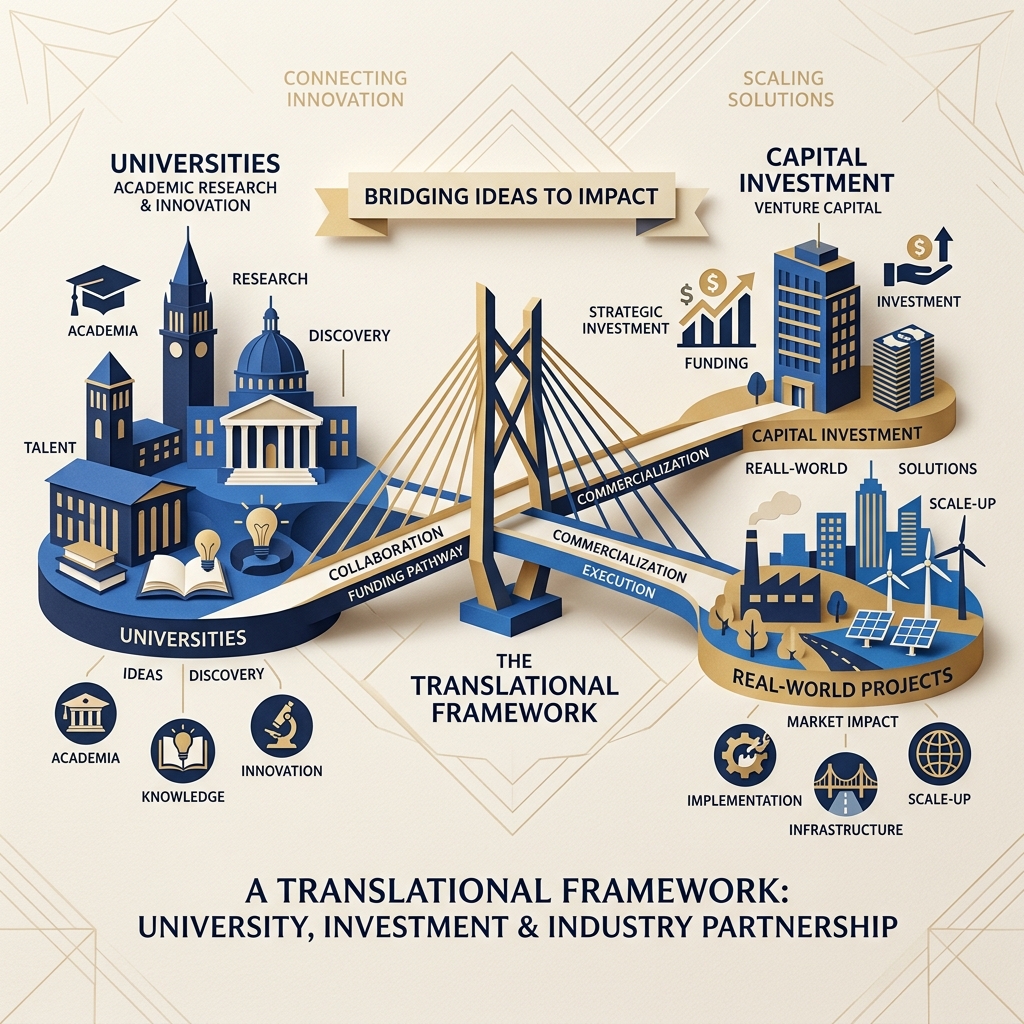
A translational framework aimed at measuring real-world impact across academic and financial projects.
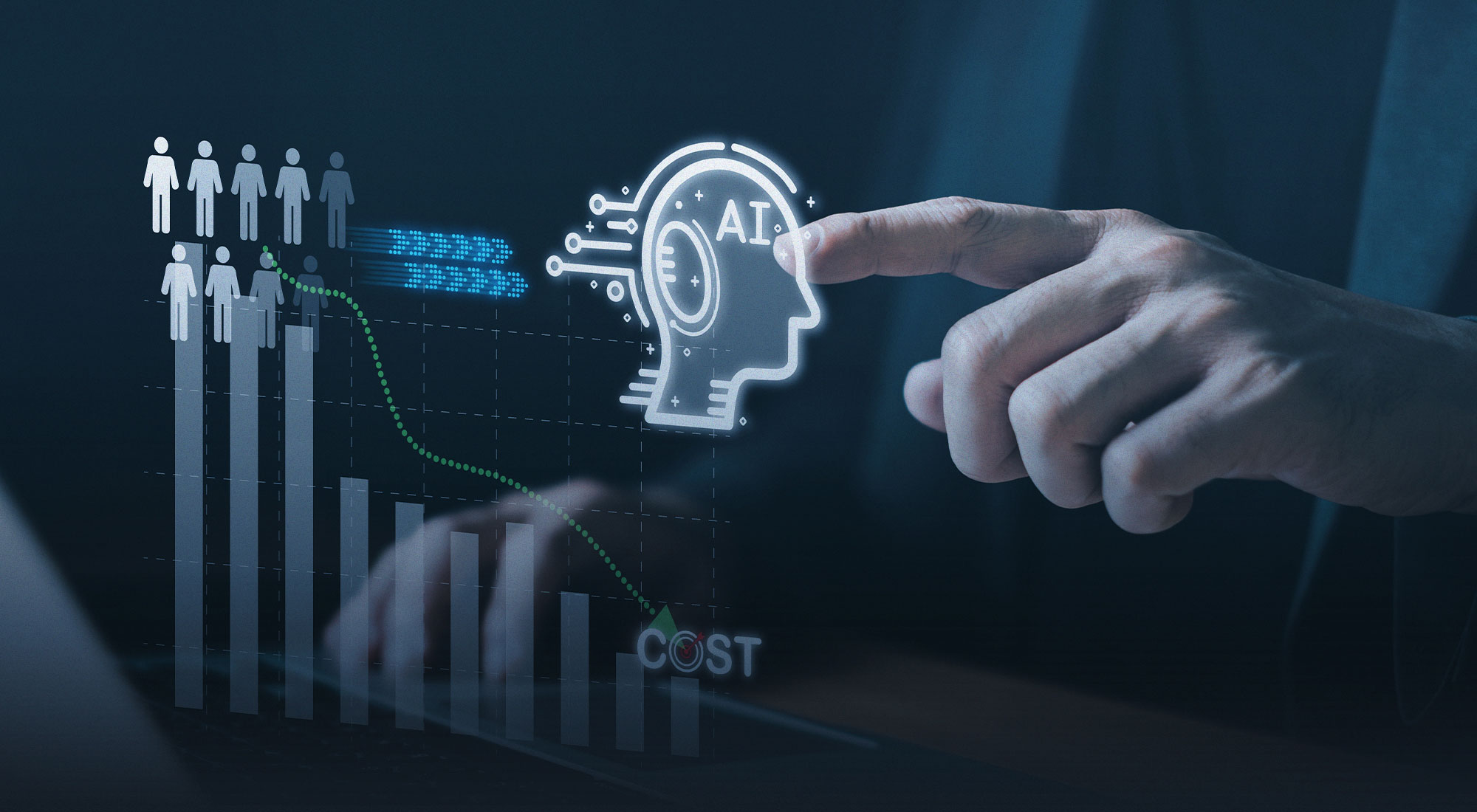
Explores how economic structures must evolve to harness and align with the integration of artificial intelligence.

Strategic overview identifying pathways and policies to scale businesses globally from the Cambridge hub.
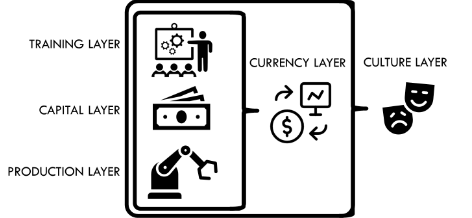
Presents a five-layer production model aimed at retaining innovation and streamlining startup formation.
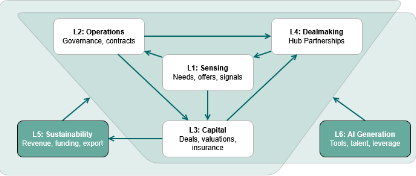
Outlines the integration of AI-native infrastructure to connect the Cambridge Investment Zone globally.